Wiggins Group Real Estate Blog

Stay up to date with new listings, open houses and market news

Check out some of our latest activity and circle back to this page for more real estate updates that impact your buying and selling decisions.

RSS

The Best Asking Price for your Home

Setting a realistic price for your home that reflects current market values will help sell your home quickly and for top dollar. When you price your home properly, you increase the chances that the offer you receive will nearly match your asking price, and that there will be competing offers—which may net you even more in the long run. Your property has the best chance of selling within its first seven weeks on the market. And, studies indicate that the longer a property stays on the market, the less it will ultimately sell for. A property priced 10 % more than its market value is significantly less likely to sell within this window than a property priced close to its actual market value. About three-quarters of homes on the market today are 5-10 % overpriced. Sellers will usually over-price their homes by this margin if, either, they firmly believe the home is worth more than what the market indicates, or if they want to leave room for negotiation. Either way, if you choose to over-price your home by this amount, you run the risk of increasing the amount of time your home spends on the market, and decreasing the amount of money you’ll ultimately receive.

At the other end of the selling spectrum are houses that are priced below a fair market value. Under-pricing often occurs when the owner is interested in a quick sell. You can bargain on these homes attracting multiple offers and ultimately selling quickly at—or above—the asking price.

1.Seller’s Market:

A Seller’s market is considered a “hot” market. This type of market is createdwhen demand is greater than supply—that is, when the number of Buyers exceedsthe number of homes on the market. As a result, these homes usually sell veryquickly, and there are often multiple offers. Many homes will sell above theasking price.

2.Buyer’s Market:

A Buyer’s market is a slower market. This type of market occurs when supply is greater than demand, the number of homes exceeding the number of Buyers. Properties are more likely to stay on the market for a longer period of time. Fewer offers will come in, and with less frequency. Prices may even decline during this period. Buyers will have more selection and flexibility in terms of negotiating toward a lower price. Even if your initial offered price is too low, Sellers will be more likely to come back with a counter-offer.

3.Balanced Market:

In a balanced market, supply equals demand, the number of homes on the marketroughly equal to the number of Buyers. When a market is balanced there aren’tany concrete rules guiding whether a Buyer should make an offer at the higherend of his/her range, or the lower end. Prices will be stable, and homes will sellwithin a reasonable period of time. Buyers will have a decent number of homesto choose from, so Sellers may encounter some competition for offers on theirhome, or none at all.

Remember, a REALTOR® is trained to provide clients with this information about the market, helping you make the most informed decision possible. The right REALTOR® will guide you through the ups and downs of the market and keep you up-to-date with the types of changes you might expect.

Evaluate your house in the other main areas that affect market value:

Location:

The proximity of your home to amenities, such as schools, parks, publictransportation, and stores will affect its status on the market. Also, the quality ofneighbourhood planning, and future plans for development and zoning willinfluence a home’s current market value, as well as the ways in which this valuemight change.

Property:

The age, size, layout, style, and quality of construction of your house will allaffect the property’s market value, as well as the size, shape, seclusion andlandscaping of the yard.

Condition of the Home:

This includes the general condition of your home’s main systems, such as thefurnace, central air, electrical system, etc., as well as the appearance and conditionof the fixtures, the floor plan of the house, and its first appearances.

Comparable Properties:

Ask your REALTOR® to prepare you a general market analysis of your neighbourhood," you can determine a range of value for your property. A market analysis will provide you with a market overview and give you a glimpse at what other similar properties have been selling for in the area. 

Market Conditions/ Economy:

The market value of your home is additionally affected by the number of homes currently on the market, the number of people looking to buy property, current mortgage rates, and the condition of the national and local economy.
Read

“Drive-Up Appeal”: Get your Property Ready to Show

When preparing your property to show, work your way from the outside in. It is essential that your home possess a certain “drive-up appeal.” Remember, a potential buyer’s first impression of your house is formed while s/he is still sitting in the REALTORS® car. So, first you need to view your house from this perspective. Go stand on the opposite curb and observe your property. Compare it to surrounding properties. Concentrate on the following three areas:

Landscaping:

How does your landscaping measure up compared to the rest of the neighbourhood? If you guess it would rate below-average, make a few adjustments. You might want to consider buying some bushes and planting them around the property. Do not buy trees, however—mature trees are expensive, so you will not see a return on your investment. And immature trees don’t tend to significantly improve the immediate appearance of your home.

If the problem with your yard isn’t a case of too little greenery, but rather too much, get out the pruning shears. The purpose of landscaping is to complement the home, not hide it. Overgrown shrubs should be sheared to a height near the bottom of the windows. Remove any ivy clinging to the side of the house. Tree limbs should be high enough that you’re able to walk beneath. Trim any branches that bar the way.

Your lawn should be freshly cut and watered, and an even colour. If there are brown spots, make sure you begin to remedy this well in advance of putting the house on the market. You may want to re-sod areas, and you need to make sure these spots are given enough time to grow, so they will match the existing lawn. Also, if you decide to use fertilizer, you’ll want to allow enough time for it to take effect. Rake up any leaves or grass cuttings. Planting a few flowers is an easy way to add colour and vibrancy to your yard, enhancing the first impression of your home. Invest in a full flat of mature, colourful flowers, such as petunias or periwinkles, which last the length of the growing season. Do not buy bulbs or seeds—they won’t necessarily grow enough by the time you begin showing to achieve the desired effect. If you don’t have an area in which to plant flowers, consider purchasing a few flower pots for your porch and planting flowers or blooming plants. If you have a pool, keep it sparkling and leaf-free.

House Exterior:

When you view your house from across the street, does it appear weathered or faded? If so, it’s probably time to treat it to a fresh coat of paint. This is usually a sound investment; new paint can do wonders to increase a home’s perceived value. Stay away from unusual or loud colours. The new colour should fit in with surrounding houses, and complement the style and structure of your house. Examine the roof closely. Old or leaking roofs should be replaced. If there are leaks, you’ll have to disclose this detail to the homebuyer anyway, and they will want it replaced. If there isn’t any apparent damage, however, wait for word from the home inspector before making repairs.

The Front Door and Porch:

The front door and surrounding area should look particularly fresh and welcoming, as this will be the buyer’s first up-close impression as they enter the house. If you paint nothing else, at least give the door a new coat. Replace the doorbell if it is broken and polish the door fixture until it gleams. Wash the mail box. Keep the porch swept and buy a new plush door mat. All of these little things will contribute to the overall effect of a well cared-for and welcoming home. Ensure the lock works smoothly and the key fits properly. When a homebuyer visits your house, the REALTOR® will open the front door with a key. You don’t want the buyers’ first experience to be of waiting on the doorstep while

Read

How to Get Top Dollar for Your Home, Without Dragging Out the Sale (2026)

Your home is likely one of your biggest financial assets. When you sell, the goal is usually the same: a strong price, solid terms, and a smooth timeline.

A common truth in real estate is that the first few weeks on market matter. That is when buyer interest is highest and your listing is freshest to both buyers and agents. The best way to protect your sale price is to prepare well before you hit the market, price strategically from day one, and make it easy for buyers to fall in love quickly.

Here is a practical, no fluff guide to help you get top dollar and keep momentum on your side.


Step 1: Get clear on your goal before you list

There are two very different goals sellers often have:

Goal A: Sell fast

This usually matters if you have already bought, you have a tight timeline, or you want certainty.

Goal B: Maximize price

This often means being more patient, choosing timing carefully, and investing more into presentation.

Neither is wrong. The key is being honest about your priorities, because your pricing strategy, prep plan, and negotiation approach should match your goal.


Step 2: Price correctly from the start

Pricing is one of the biggest factors in how quickly your home sells and what you net.

Why pricing high can backfire

Overpricing often leads to:

  • fewer showings

  • fewer offers

  • more time on market

  • buyers assuming something is wrong

  • price reductions later, which can weaken leverage

A well priced home can create urgency and competition. A home that misses the market can sit.

Simple rule: The market usually rewards the right price at the right time more than it rewards optimism.


Step 3: Do the homework buyers are doing

Before you list, look at homes similar to yours:

  • size

  • lot

  • layout

  • condition

  • neighbourhood

  • school catchment

  • parking and access

Attend a few open houses nearby if you can. Pay attention to what feels updated, what feels dated, and what creates a strong first impression.

This gives you a clear sense of what you are competing against.


Step 4: Decide what is worth fixing and what is not

Not every update pays off. The best improvements are the ones that make the home feel clean, bright, and cared for.

High ROI updates that usually help

  • fresh paint in neutral tones

  • fixing obvious small repairs

  • deep cleaning and decluttering

  • lighting improvements

  • simple landscaping and curb appeal

Updates to consider carefully

  • major renovations close to listing

  • highly personal design choices

  • projects that may not finish on time

If you are not sure, a walk through with a REALTOR® can help you choose upgrades that buyers actually value.


Step 5: Presentation is not optional

Buyers decide quickly. Often within seconds online, and within minutes in person.

Declutter to create space

Less furniture and fewer items on counters makes rooms feel larger and brighter.

Deep clean like you are preparing for a hotel inspection

Cleanliness directly affects perceived value. Buyers notice:

Want a clear plan to sell for top dollar in Langley or the Fraser Valley?

If you are thinking about selling and want a strong price without unnecessary stress, we can help you build a plan that fits your timeline and goals. A quick conversation can clarify what to fix, what to skip, how to price, and how to launch your listing with momentum.

Wiggins Group Real Estate are local REALTORS® based in Langley, serving the Fraser Valley. We focus on clear communication, strong preparation, and practical strategies that help homes show well and sell with confidence.

Call or text: Denise 604-880-5603 Ian 604-897-2514
Email: info@wigginsgroup.ca

Read

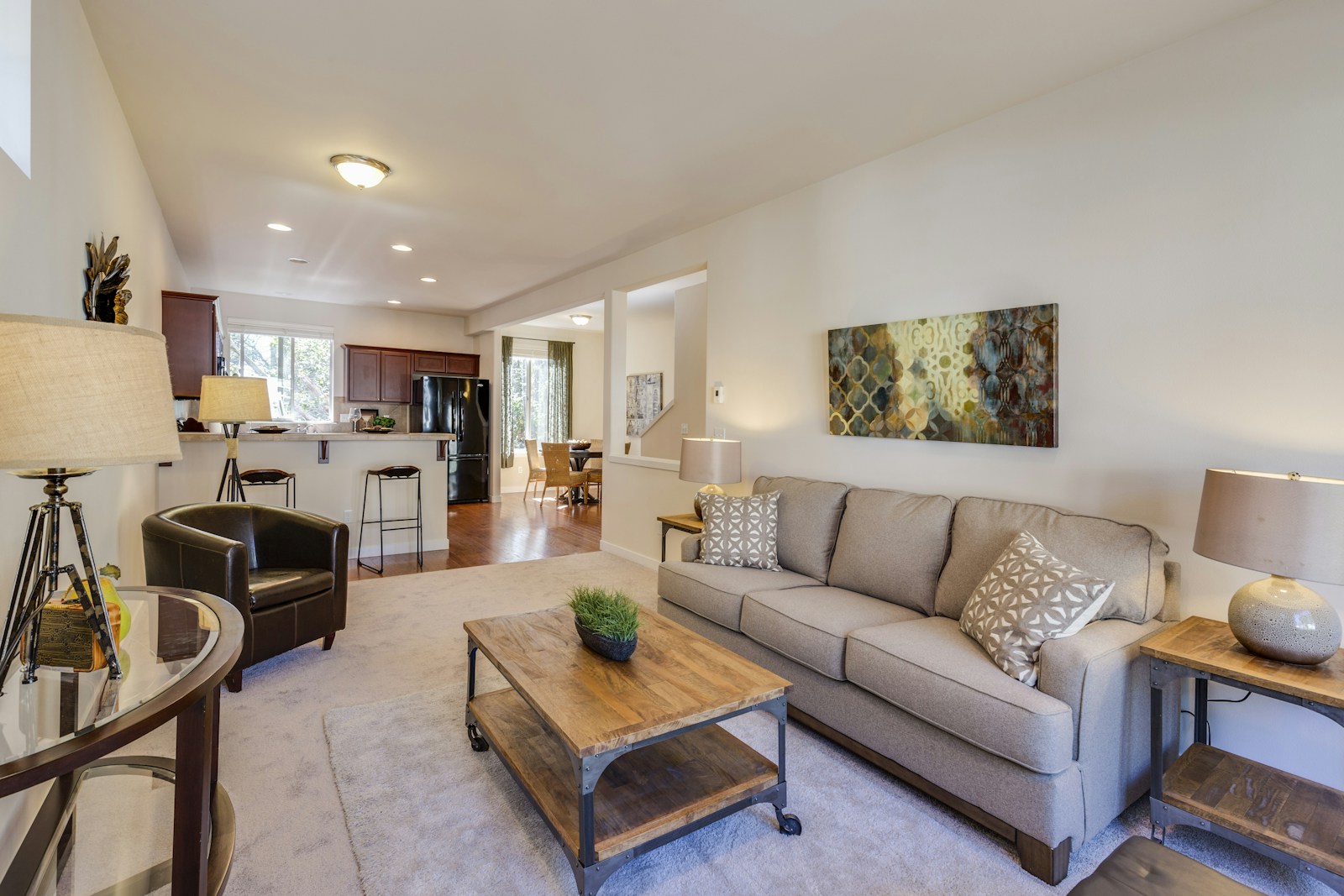
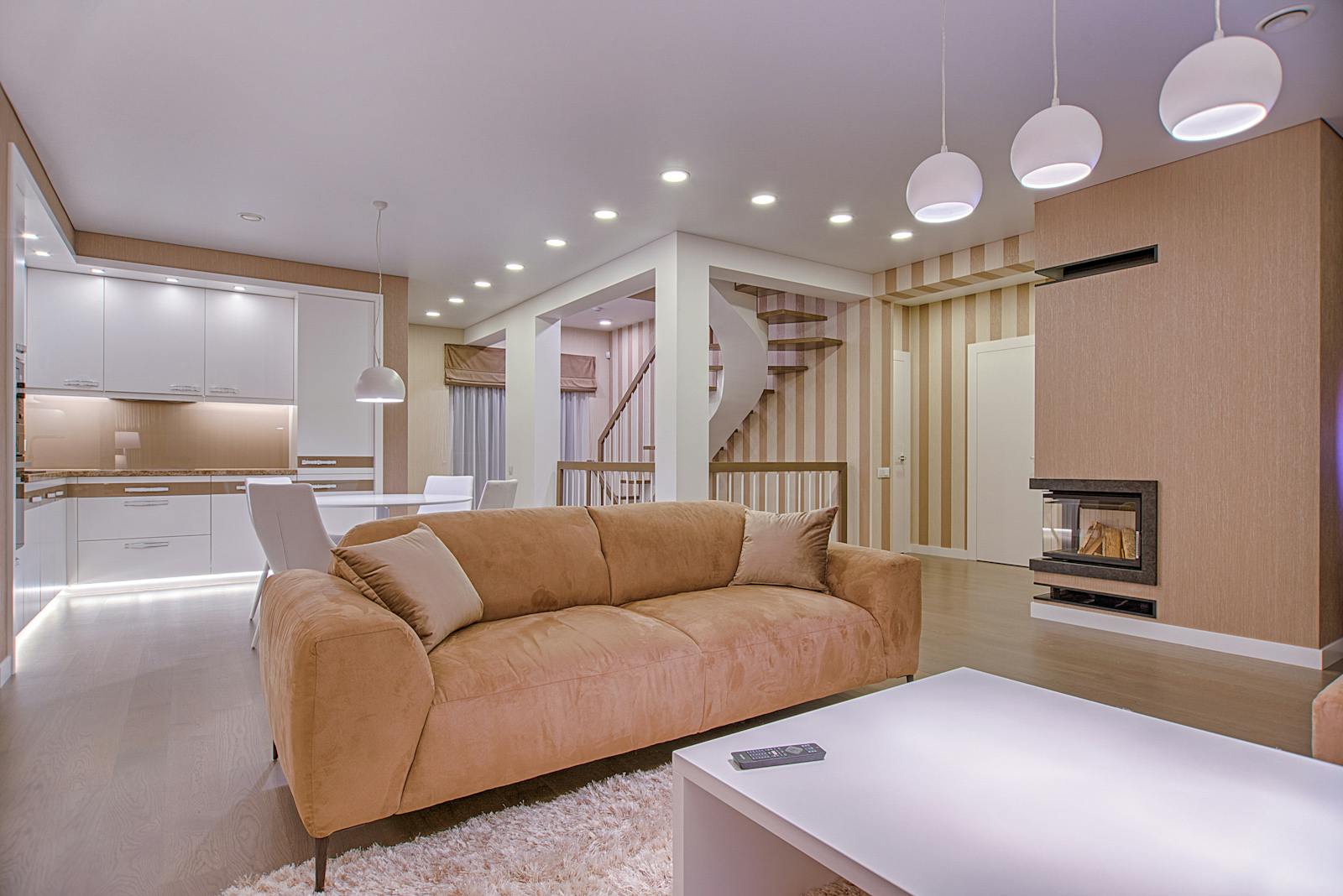
The Ultimate Home Staging Guide: Transform Your Home to Sell Faster and for More

Staging your home is a powerful way to make it more appealing to potential buyers, helping you sell faster and often for a higher price. This guide provides a step-by-step approach to effectively stage your home, ensuring it makes a great impression.

1. Understanding Home Staging

What is Home Staging?

  • Definition: Home staging involves preparing your home for sale by enhancing its appearance to appeal to the widest range of buyers.

  • Purpose: The goal is to make your home look more inviting and showcase its potential, helping buyers envision themselves living there.

Benefits of Home Staging

  • Faster Sales: Staged homes often sell faster than non-staged homes.

  • Higher Offers: Well-staged homes can sell for a higher price than similar unstaged homes.

  • Better Online Presence: Staged homes typically look better in photos, attracting more interest from online listings.

Preparing to Stage Your Home

Declutter and Depersonalize

  • Remove Personal Items: Take down family photos, personal collections, and unique décor to create a neutral space.

  • Declutter: Clear out unnecessary items from all rooms, closets, and storage areas. Less clutter makes spaces appear larger and more inviting.

Deep Clean

  • Clean Thoroughly: Ensure your home is spotless. Clean windows, carpets, floors, and every nook and cranny.

  • Freshen Up: Use air fresheners or scented candles to keep the home smelling clean and inviting.

Repair and Update

  • Fix Minor Issues: Address any small repairs like leaky faucets, cracked tiles, or scuffed walls.

  • Consider Upgrades: Simple upgrades like new light fixtures, fresh paint, or updated hardware can make a significant difference.

Staging Key Areas of Your Home

Living Room

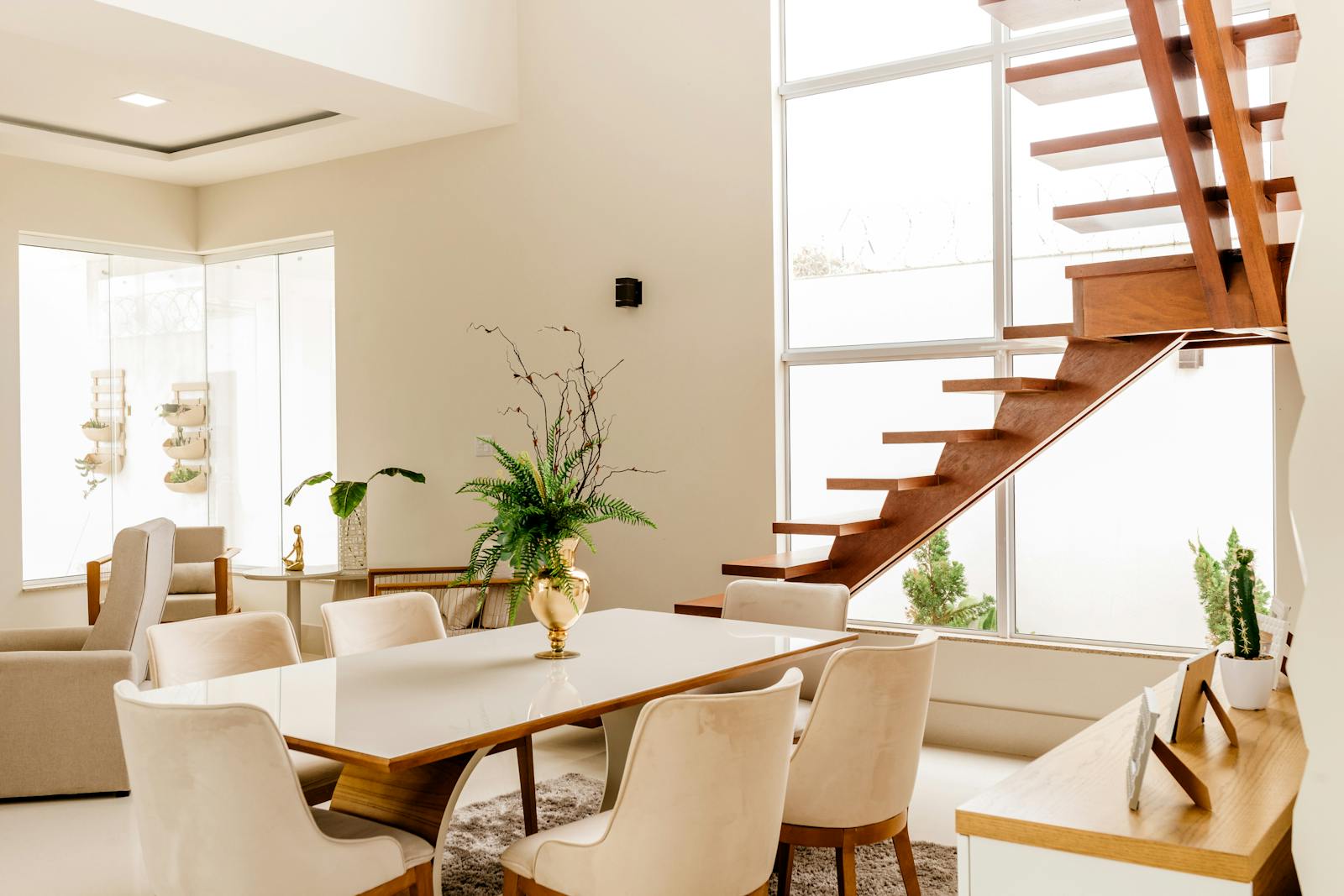
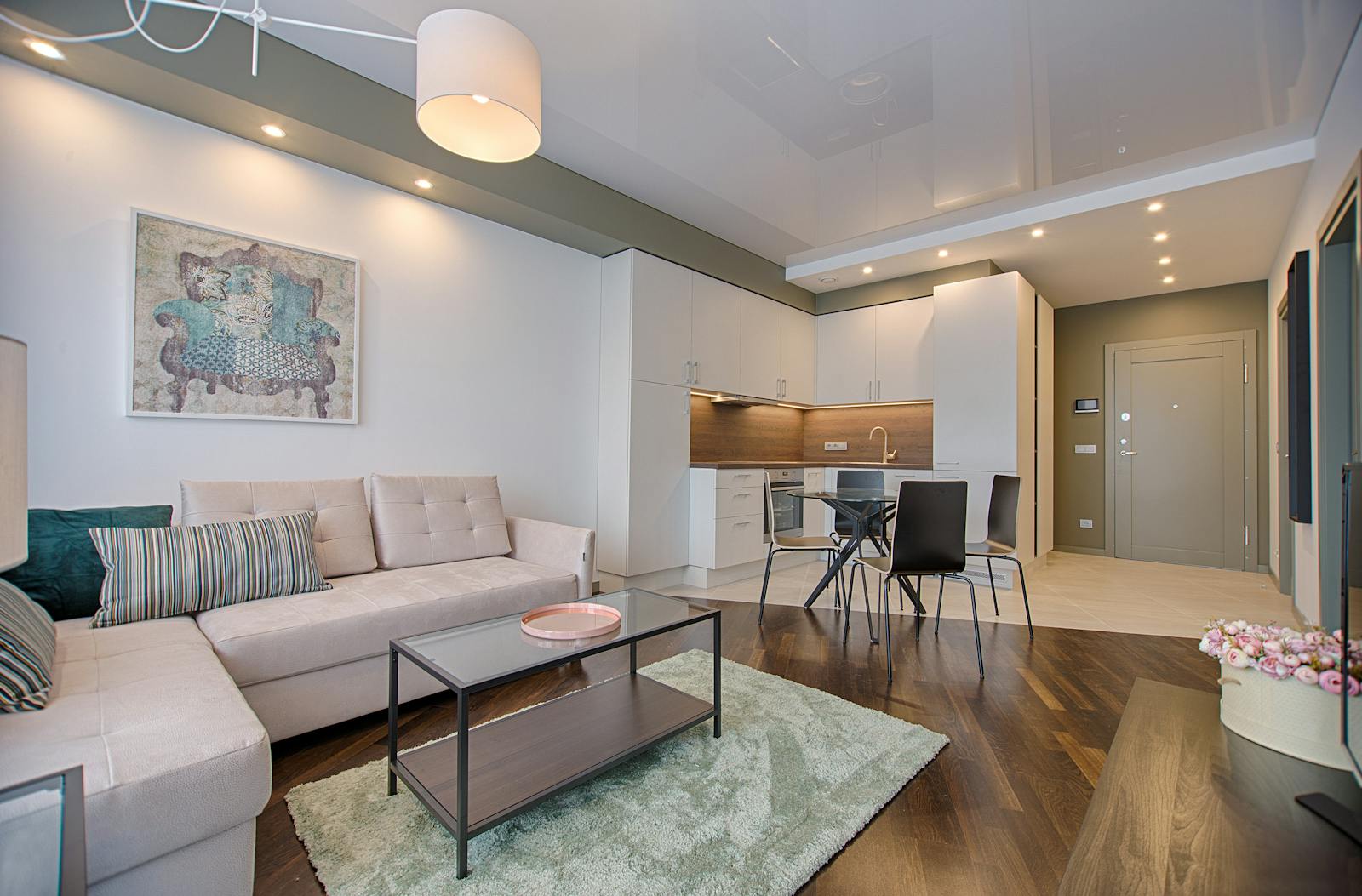
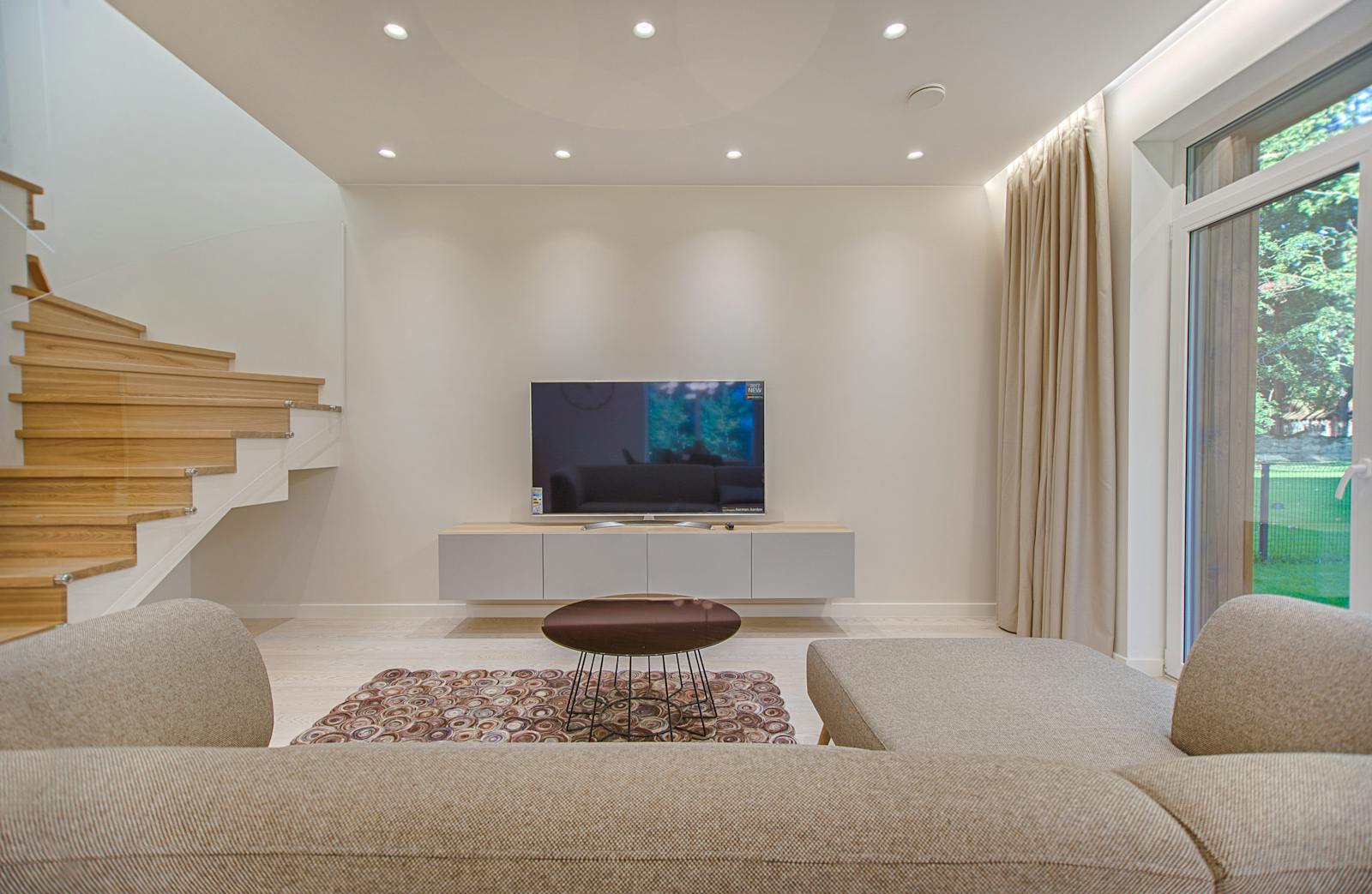
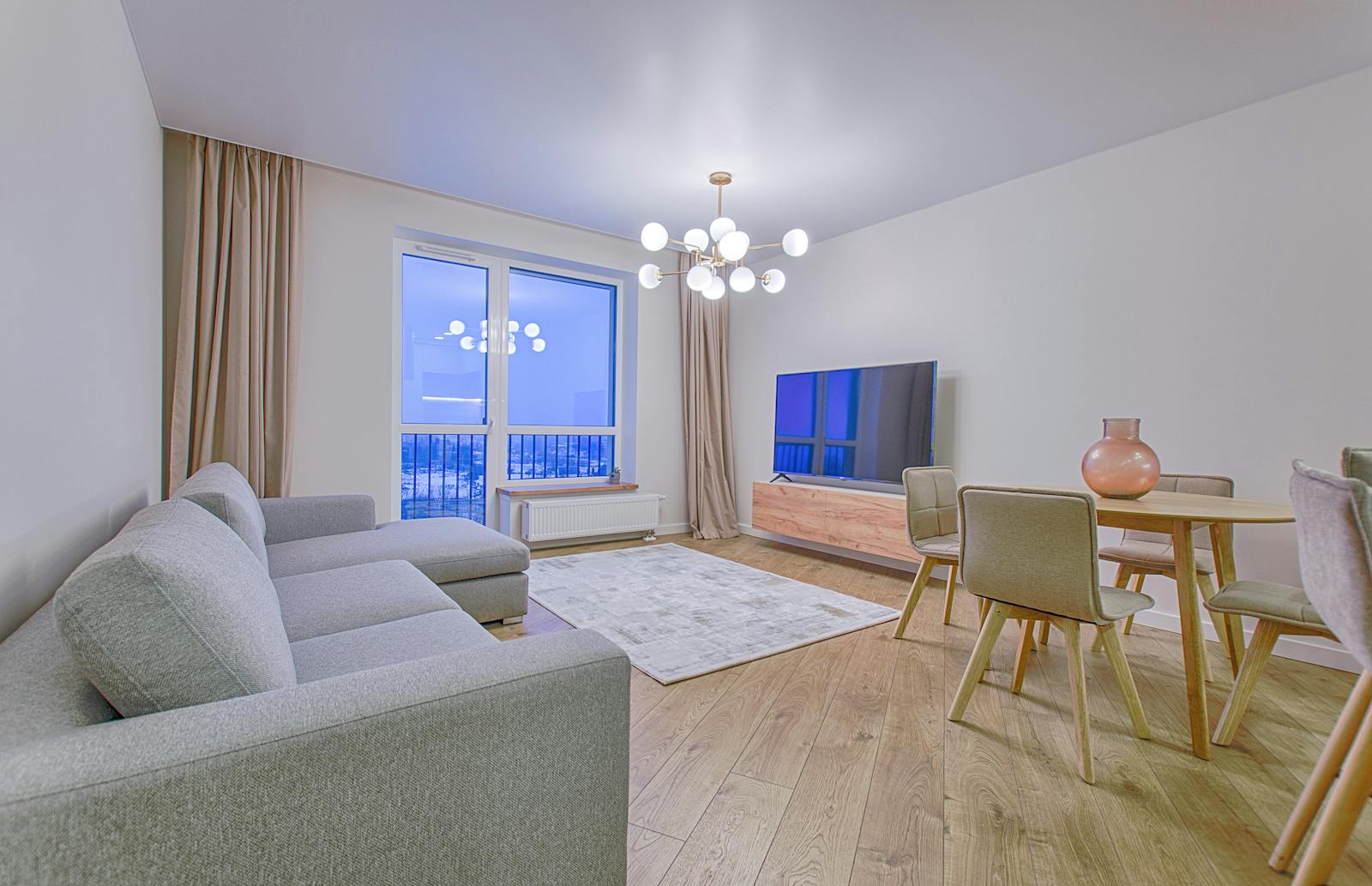
  • Furniture Arrangement: Arrange furniture to create a comfortable conversation area. Ensure traffic flow is unobstructed.

  • Neutral Décor: Use neutral colors and simple décor to appeal to a broad audience.

  • Lighting: Ensure the room is well-lit with a combination of natural light, overhead lighting, and lamps.

Kitchen

  • Clear Counters: Keep countertops clear of appliances and clutter. Add a few decorative items like a bowl of fruit or a vase of flowers.

  • Highlight Features: Showcase key features like updated appliances or ample storage.

  • Organize: Clean and organize cabinets and drawers. Buyers will look inside.

Bedrooms

  • Neutral Bedding: Use neutral and appealing bedding to create a restful atmosphere.

  • Minimize Furniture: Keep only essential furniture to make rooms appear more spacious.

  • Closet Space: Organize closets to show off ample storage space.

Bathrooms

  • Spotless Cleanliness: Bathrooms should be immaculate. Remove personal items like toothbrushes and toiletries.

  • Add Fresh Towels: Use new or clean, neatly folded towels to add a fresh look.

  • Simple Décor: Keep décor minimal but add a touch of luxury with items like scented candles or a stylish soap dispenser.

Dining Area

  • Table Setting: Set the dining table with a simple, elegant arrangement to suggest how the space can be used.

  • Lighting: Ensure good lighting, and use a centerpiece to draw attention to the table.

Home Office

  • Functional Setup: Arrange the space to showcase its potential as a functional home office.

  • Declutter: Keep the desk clear and organize any office supplies neatly.

Outdoor Spaces

  • Curb Appeal: Improve the exterior with landscaping, clean driveways, and a welcoming front entrance.

  • Backyard: Stage outdoor areas with clean, comfortable furniture to suggest a relaxing space.

Creating the Right Atmosphere

Lighting

  • Natural Light: Open curtains and blinds to maximize natural light.

  • Artificial Lighting: Use a combination of ambient, task, and accent lighting to create a warm and inviting atmosphere.

Color and Décor

  • Neutral Colors: Use neutral paint colors to appeal to a broad audience.

  • Simple Décor: Keep décor simple and tasteful. Use art and accessories sparingly to enhance but not overwhelm the space.

Scents

  • Fresh Scents: Use subtle scents like fresh linen or lavender. Avoid strong or overpowering smells.

  • Clean Air: Ensure the home is well-ventilated and free of any unpleasant odors.

Read

Showtime: Tips for Showing your Home

After putting in a huge amount of time and effort to get your home looking good and ready to sell, your hard work is finally going to pay off: your home is on the market—you’re ready to begin showing. Your house should always be at-the-ready for a tour, as agents may bring clients by with very little notice. If they catch you unprepared and you aren’t able to show the house on the spot, you could be losing out on a sale. Concentrate on the following areas to ensure your home is ready to show:

1. People

Homebuyers may feel like intruders if you are present while they view your house, and this will affect their overall impression. Consider taking the opportunity to visit the local coffee shop, go shopping, or take the kids to the park. If you can’t leave while the house is being shown, try to be as unassuming as possible. Do not move from room to room. Don’t offer information, but make yourself available to answer any questions the agent or buyers might have.

2. Lighting

When you know an agent is bringing someone by, make sure all of the drapes and window shades are open to let in as much daylight as possible, or—if the showing is taking place at night—to create a look of comfort and warmth when viewed from the outside. Open all the doors between rooms to create an open, inviting feel. Turn on all lamps and overhead lights, even during the day. Keeping lights on during the day softens the harsh shadows sunlight can create in a room, and illuminates dim corners. During nighttime showings, make sure all outdoor lights are on, as well as pool lights.

3. Cleanliness

Scan the floor for debris—newspapers and magazines tend to accumulate without our noticing. Make sure all the counters are clutter-free. Empty the kitchen garbage before every showing, particularly if the garbage can doesn’t have a lid. Keep everything freshly dusted and vacuumed. Beds should be made and bathrooms cleaned (toilet lid down). Every room should sparkle.

4. Scents and Sounds

Avoid using scented sprays before showing your home. Some people simply won’t enjoy the smell, and others may be allergic. If you want to make a room smell pleasant, consider a potpourri pot or a naturally-sourced aroma.

If you or your family is home while the agent is giving a tour, try to stay as quiet as possible. Turn off the television and the blaring radio. Put on some soothing background music at a low volume.

5. Pets

If you have pets, make sure your listing agent includes this in your listing on the Multiple Listing Service. This way, no one will be surprised by a furry welcome if the agent shows the house while you’re not there. If you know someone is coming to tour the house, ideally you should take the pets with you, or arrange to have a friend or family member take them. If this isn’t possible, keep dogs in the backyard, preferably in a penned area. Try to keep indoor cats in one room while people are touring the house, and put a sign on the door.

Read

One for the Money, Two for the Show: Prepare the Inside of your House for Showing

Once you’ve minimized the clutter in your home, clearing out excess items and furniture, you’ll be ready to concentrate on repairs, cleaning, and decoration. Your goal is to get each room looking its sharpest and most fresh—the better your house looks, the greater your chances that it will sell quickly and for top dollar. Concentrate on the following areas to get your home into selling shape.

Walls and Ceiling:

Examine all the ceilings and walls for water stains or dirt. We don’t often look closely at the walls that surround us, so be careful—there could be residual stains from leaks that have long been fixed, or an accumulation of dirt in an area you hadn’t noticed.

Painting the walls may be the best investment you can make when preparing your home to sell. You can do it yourself, and relatively inexpensively. Remember, the colours you choose should appeal to the widest range of buyers, not just to your own personal taste. A shade of off-white is the best bet for most rooms, as it makes the space appear larger and bright.

Carpet and Flooring:

Does your carpet appear old, or worn in areas? Is it an outdated colour or pattern? If the answer to either of these questions is yes, you should consider replacing it. You can find replacement carpeting that is relatively inexpensive. And always opt for neutral colours.

Any visibly broken floor tiles should be replaced. But make sure you don’t spend too much on these replacements. The goal isn’t to re-vamp the entire home, but, rather, to avoid causing any negative impressions due to noticeable damage or wear around the house.

Doors and Windows:

Check the entire house for any cracked or chipped window panes. If they are damaged in any way, replace them. Test all windows, as well, to ensure they open and close easily. Try spraying WD40 on any with which you’re having trouble. This should loosen them up.

The same can be done with sticking or creaking doors. A shot of WD40 on the hinges should make the creak disappear. Check to make sure each door knob turns smoothly and polish it to gleaming.

Odour Check:

Begin by airing out the house. Chances are, you’d be the last person to notice any strange or unpleasant smell that may be immediately apparent to visitors.

If you smoke indoors, you’ll want to minimize the smell before you show your home. Take your cigarettes outside for a period of time before you begin showing. Ozone sprays also help eliminate those lingering odours without leaving a masking, perfumed smell.

Be careful if you have a pet. You may have become used to the particular smell of your cat or dog. Make sure litter boxes are kept clean. Keep your dog outdoors as much as possible. You may want to intermittently sprinkle your carpets with carpet freshener as well.

Plumbing and Fixtures:

All sink fixtures should look shiny and fresh. Buy new ones if scrubbing fails to get them into shape. Replacing them can be done fairly easily and inexpensively. Check to make sure all hot and cold faucets are easy to turn and that none of the faucets leaks. If you do find a leaking faucet, change the washer. Again, this is an easy and inexpensive procedure.

Finally, check the water pressure of each faucet, and look for any stains on the porcelain of the sinks or tubs.

Once you’ve covered all these bases, your house will be in prime shape for its time on the market. Congratulations—you’re ready to begin showing!

Read

8 Mistakes to Avoid When Buying a Home

You’ve been saving for awhile, weighing your options, looking around casually. Now you’ve finally decided to do it—you’re ready to buy a house. The process of buying a new home can be incredibly exciting, yet stressful, all at once. Where do you start?

It is essential you do your homework before you begin. Learn from the experiences of others, do some research. Of course, with so many details involved, slip-ups are inevitable. But be careful: learning from your mistakes may prove costly. Use the following list of pitfalls as a guide to help you avoid the most common mistakes.

1.Searching for houses without getting pre-approved by a lender:

Do not mistake pre-approval by a lender with pre-qualification. Pre-qualification, the first step toward being pre-approved, will point you in the right direction, giving you an idea of the price range of houses you can comfortably afford. Pre-approval, however, means you become a cash buyer, making negotiations with the seller much easier.

2.Allowing “first impressions” to overly influence your decision:

The first impression of a home has been cited as the single most influential factor guiding many purchasers’ choice to buy. Make a conscious decision beforehand to examine a home as objectively as you can. Don’t let the current owners’ style or lifestyle sway your judgment. Beneath the bad décor or messy rooms, these homes may actually suit your needs and offer you a structurally sound base with which to work. Likewise, don’t jump at a home simply because the walls are painted your favourite colour! Make sure you thoroughly the investigate the structure beneath the paint before you come to any serious decisions.

3.Failing to have the home inspected before you buy:

Buying a home is a major financial decision that is often made after having spent very little time on the property itself. A home inspection performed by a competent company will help you enter the negotiation process with eyes wide open, offering you added reassurance that the choice you’re making is a sound one, or alerting you to underlying problems that could cost you significant money in both the short and long-run. Your REALTOR® can suggest reputable home inspection companies for you to consider and will ensure the appropriate clause is entered into your contract.

4.Not knowing and understanding your rights and obligations as listed in the Offer to Purchase:

Make it a priority to know your rights and obligations inside and out. A lack of understanding about your obligations may, at the very least, cause friction between yourself and the people with whom you are about to enter the contract. Wrong assumptions, poorly written/ incomprehensible/ missing clauses, or a lack of awareness of how the clauses apply to the purchase, could also contribute to increased costs. These problems may even lead to a void contract. So, take the time to go through the contract with a fine-tooth comb, making use of the resources and knowledge offered by your REALTOR® and lawyer. With their assistance, ensure you thoroughly understand every component of the contract, and are able to fulfill your contractual obligations.

5.Making an offer based on the asking price, not the market value:

Ask your REALTOR® for a current Comparative Market Analysis. This will provide you with the information necessary to gauge the market value of a home, and will help you avoid over-paying. What have other similar homes sold for in the area and how long were they on the market? What is the difference between their asking and selling prices? Is the home you’re looking at under-priced, over-priced, or fair value? The seller receives a Comparative Market Analysis before deciding upon an asking price, so make sure you have all the same information at your fingertips.

6.Failing to familiarize yourself with the neighbourhood before buying:

Check out the neighbourhood you’re considering, and ask around. What amenities does the area have to offer? Are there schools, churches, parks, or grocery stores within reach? Consider visiting schools in the area if you have children. How will you be affected by a new commute to work? Are there infrastructure projects in development? All of these factors will influence the way you experience your new home, so ensure you’re well-acquainted with the surrounding area before purchasing.

7.Not looking for home insurance until you are about to move:

If you wait until the last minute, you’ll be rushed to find an insurance policy that’s the ideal fit for you. Make sure you give yourself enough time to shop around in order to get the best deal.

8.Not recognizing different styles and strategies of negotiation:

Many buyers think that the way to negotiate their way to a fair price is by offering low. However, in reality this strategy may actually result in the seller becoming more inflexible, polarizing negotiations. Employ the knowledge and skills of an experienced REALTOR®. S/he will know what strategies of negotiation will prove most effective for your particular situation.

Read

Buy or Sell First in Langley and the Fraser Valley? A Practical Guide for Homeowners (2026)

If you already own a home and you are thinking about moving, one of the first questions is simple, but the answer is not always easy.

Do you sell your current home first and then buy, or do you buy first and sell after?

There is no one right strategy. The best move depends on your budget, your timeline, your risk tolerance, and how competitive the market is for the type of home you want next. Below is a clear guide to help you choose the approach that fits your situation.


Option 1: Sell First

Selling first is the most common approach for homeowners who want certainty.

Why selling first can be a smart move

  • You know your numbers. Once your home is sold, you know exactly what you have to work with for your next purchase.

  • Your offers can be stronger. Without a sale condition, you can often write cleaner offers and negotiate more confidently.

  • Less financial strain. You avoid the risk of carrying two homes at once.

  • More flexibility in negotiations. When you have firm funds, you can act quickly on the right property.

The main risk

If you do not find the right home before your completion date, you may need temporary housing.

Questions to ask yourself before you sell first

  • Do we have a backup plan if we need a short-term rental or family housing?

  • How flexible is our move timeline?

  • Would we be okay storing furniture and living in transition housing if needed?

Best for: homeowners who want certainty and are willing to be flexible on move logistics.


Option 2: Buy First

Buying first can work well in very specific situations, especially when the home you want is rare or timing is critical.

Why buying first can be the right call

  • You secure the next home before it is gone. This can matter if you are targeting a unique property, a specific school catchment, or a lifestyle property.

  • You avoid moving twice. If the timing works, you can move once and settle in.

  • You can take your time preparing your current home. This can help presentation and marketing.

The big risk

If your current home does not sell quickly, you may be carrying two properties at once.

That can mean:

  • double mortgage payments

  • additional utilities and insurance

  • higher stress and less negotiating power when selling

Questions to ask yourself before you buy first

  • Can we qualify to carry both homes temporarily if needed?

  • How long could we comfortably carry both payments?

  • If the market shifts, can we absorb a lower sale price?

  • Do we have a plan if our home takes longer to sell than expected?

Best for: buyers with strong financial flexibility, or those purchasing a rare home they do not want to miss.


Option 3: Buy With a Condition to Sell

A conditional offer is a middle option. Your offer to purchase is conditional on selling your current home within a set period of time.

Why this option can help

  • You avoid committing fully until your home sells

  • You can pursue a purchase without fully taking on the risk of owning two homes

The drawbacks to understand

  • Sellers often prefer firm offers. A conditional offer can be less competitive, especially in a busy market.

  • You may lose the home. Many conditional clauses allow the seller to keep marketing the property. If they get another offer, they can often ask you to remove your condition within a short window or step aside.

  • You can feel stuck. While your conditional offer is active, it can limit your ability to jump at a better opportunity.

When conditional offers make sense

  • slower markets

  • niche properties where sellers expect longer timelines

  • when your home is very marketable and likely to sell quickly

Best for: buyers who need to reduce risk but still want a path forward, and who understand they may need to firm up quickly if challenged.


A simple way to choose the right strategy

Here is a quick decision guide.

Sell first is usually best if:

  • you need certainty on sale proceeds

  • you want stronger negotiating power when buying

  • carrying two homes would create stress

  • you are flexible on possession dates or short-term housing

Buy first is usually best if:

  • your next home is hard to find or highly specific

  • you have strong financial flexibility

  • you are comfortable carrying two homes temporarily

  • your current home is expected to sell quickly and predictably

A conditional offer is usually best if:

  • the market is balanced or slower

  • the seller is open to conditions

  • you have a clear plan and timeline to sell quickly

  • you are comfortable with the chance of being bumped


Two practical tips that make any strategy easier

1) Know your home’s realistic selling range

A professional pricing review and market plan can help you understand what your current home could sell for in today’s market. That clarity makes every option less stressful.

2) Plan your timelines before you fall in love with a new home

Before you write an offer, think through:

  • ideal possession date

  • time needed to prep your current home

  • financing timeline

  • conditions and due diligence windows

Good planning reduces panic decisions.


Want help choosing the best buy and sell strategy?

If you are moving within Langley or the Fraser Valley, we can help you map out a plan that fits your goals, timeline, and comfort level. Sometimes a 15-minute conversation saves months of stress.

Wiggins Group Real Estate are local REALTORS® based in Langley, serving the Fraser Valley. We specialize in family moves, first-time buyers, and lifestyle properties, with clear communication and a practical approach.

Call or text: Denise 604-880-5603 Ian 604-897-2514
Email: info@wigginsgroup.ca

Read

Buying a Home in BC: Expenses to Expect Before You Get the Keys (2026)

Budgeting for a home is not just about the down payment and the monthly mortgage payment. There are several one-time costs and a few ongoing expenses that can catch buyers off guard, especially around closing day.

This guide breaks down the most common costs buyers in Langley and the Fraser Valley should plan for. Some will apply to nearly every purchase, while others depend on the property type and your financing.


The most common one-time costs before closing

1) Deposit with your offer

When you write an offer, you will usually include a deposit. This shows good faith and is held in trust, then applied toward your purchase on completion.

Tip: Your deposit amount and timing can affect how competitive your offer looks.


2) Home inspection

A standard home inspection helps identify issues before you commit. For condos and townhomes, this can be paired with a careful review of strata documents.


3) Appraisal fee

Some lenders require an appraisal to confirm the home’s value for financing. If required, it is typically paid by the buyer.


4) Survey or title related documents

Depending on the property and lender requirements, you may need documents such as a survey, plot plan, or other title-related information. If a new survey is required, it is an additional cost.


5) Mortgage setup costs

Some lenders have fees connected to:

  • mortgage application or setup

  • interest rate holds

  • broker arrangements

Many lenders do not charge an application fee, but it is worth confirming early so you are not surprised.


Taxes and government fees

6) GST on new homes

GST usually applies to new construction or certain substantially renovated homes. Resale homes typically do not have GST.


7) Property Transfer Tax in BC

Property Transfer Tax can be a major closing cost. Some first-time buyers may qualify for an exemption or reduced amount depending on eligibility and purchase price.

If you are a first-time buyer, it is worth checking eligibility early so you can plan accurately.


Legal and insurance costs

8) Legal fees and disbursements

Most buyers use a notary or lawyer to complete the transaction. Costs vary based on complexity, location, and the specific professional.


9) Home insurance

Home insurance is required by lenders for most financed purchases. If you are buying a strata property, you will still need personal coverage even though the building has its own insurance.


Moving and setup costs

10) Moving expenses

This can include:

  • movers or truck rental

  • packing supplies

  • storage

  • time off work

  • cleaning


11) Utility and service connection fees

Some services charge installation or hookup fees, such as:

  • internet

  • cable

  • security systems

  • utilities in some cases


Closing-day adjustments that surprise buyers

12) Interest adjustments

Depending on your mortgage start date and completion date, there may be interest adjustments at closing.

13) Property tax and utility adjustments

On completion, you and the seller settle prorated amounts such as:

  • property taxes

  • strata fees, if applicable

  • utilities, depending on the property

These are normal, but they can add to the closing amount you need.


Costs after you move in

14) Immediate updates and small renovations

Many buyers plan to paint, replace flooring, or update fixtures before settling in. Even small upgrades add up quickly, so it helps to budget a “first month” fund.


Ongoing monthly costs to remember

Strata fees for condos and townhomes

Strata fees usually cover common area maintenance and can include items like:

  • building insurance

  • garbage pickup

  • landscaping

  • reserve fund contributions

Strata fees vary a lot, so you want to understand what is included and how healthy the strata is before committing.


A simple budgeting rule of thumb

Many buyers find it helpful to budget a separate “closing and setup” fund in addition to the down payment. The exact amount depends on your purchase, but having a buffer reduces stress and protects you from surprises.


Want a clear cost estimate for your situation?

If you are buying in Langley or the Fraser Valley, we can help you build a realistic budget based on your price range, property type, and whether you may qualify for first-time buyer programs.

Wiggins Group Real Estate are local REALTORS® based in Langley, serving the Fraser Valley. We help buyers plan clearly so the process feels calm and predictable.

Call or text:  Denise 604-880-5603  Ian 604-897-2514
Email: info@wigginsgroup.ca

Read

How to Set an Offer Price

There is no set equation to determine how you’ll reach an offer price. Rather, the process involves a range of research and comparison that will vary with each situation. You’ll need to look at sales of comparable properties, and factor in additional data such as the condition of the property, the current market, and seller circumstances. With this information in hand, you will be able to determine a fair price range and, from there, establish the price you’re willing to offer. Concentrate on the following areas to help you determine an offer price:

Comparable Sales

  • Compare prices of homes that are similar to the property you’re considering in the following areas: number of bedrooms and bathrooms, square footage, lot size, type of construction, and garage space.

  • The most comprehensive and in-depth information can be accessed through the Multiple Listing Service (MLS). Your REALTOR®, who will be working closely with you to set your offer price, can help you navigate this service.

Property Condition

  • Observe how the property compares to the rest of the neighbourhood. Is it average, above average, or below average?

  • Look at structural condition: walls, ceilings, windows, floors, doors.

  • Pay close attention to: bathrooms, bedrooms, condition of plumbing and electricity.

  • Also check the fixtures: light switches, doorknobs, drawer handles, etc.

  • What is the condition of the front and back yards?

Home Improvements

  • Cosmetic changes can be largely ignored, but any major improvements should be taken into account.

  • Take special note of: room additions (especially bedrooms and bathrooms).

  • Items such as swimming pools may be taken into account, but usually won’t affect your offer. Your REALTOR® can offer you guidance in these matters.

  • Also check the fixtures: light switches, doorknobs, drawer handles, etc.

  • What is the condition of the front and back yards?

Market Conditions

Seller’s Market

  • A seller’s market is considered a “hot” market. It happens when demand exceeds supply—more buyers than available homes.

  • Homes typically sell quickly, with multiple offers.

  • Many homes sell above the asking price.

Buyer’s Market

  • Occurs when supply is greater than demand—more homes than buyers.

  • Homes may stay on the market longer, with fewer and less frequent offers.

  • Prices may decline, and buyers have more flexibility to negotiate lower prices.

  • Sellers are more likely to respond with counter-offers if initial offers are low.

Balanced Market

  • Supply and demand are roughly equal.

  • Prices remain stable, and homes sell within a reasonable timeframe.

  • Buyers have several options, and sellers may or may not face competition for offers.

Comparable sales information helps you establish a price range for the home you’re interested in. Adding in the additional factors mentioned above will guide your decision of whether you consider a “fair” price to be near the upper, lower, or middle limit of that range.

Keep in mind, this price should be one you’d be satisfied with once all negotiations are complete. The price you decide to begin with depends on your particular style of negotiation. Most buyers start negotiations with an offer lower than the “fair” price they’ve determined.

Read

Home Inspections:Top Ten Problems

Each homebuyer has different ideas of what will constitute the ideal home for them, these notions often based on particular aesthetic preferences. But one thing that unites all potential homebuyers is the desire to find a home that is fundamentally sound—in areas beyond the immediate sweep of the eye—and that will provide a safe, comfortable, and efficient foundation for their life behind a new door.

This is where the services of a home inspector come in. During a home inspection, at least 30 areas of the home are placed under the home inspector’s “microscope.” We’ve compiled the ten most common weaknesses uncovered in a typical home inspection. If not addressed, these problems could cost you thousands of dollars in the long-run. So, knowing what to look for, and performing your own thorough pre-inspection, will help you to identify areas for repair or improvement before they grow into costly problems.

1. Damp Basement

  • A mildew odour, which is difficult to mask, is often the first sign.

  • Inspectors look for whitish mineral deposits on walls and judge whether items can safely be stored on the floor.

  • Repairs may cost from $200 to $15,000.

2. Poorly Installed / Defective Plumbing

  • Common in older homes.

  • Inspectors test for leaks, clogging, and water pressure (e.g., faucets and toilet flush test).

  • Dirty water on first use may signal rusted pipes.

3. Older / Poorly-Functioning Heating and Cooling Systems

  • Inspectors assess the age and condition of systems.

  • Cracked heat exchangers in forced air gas systems can leak carbon monoxide and must be replaced.

  • Replacements improve efficiency and reduce energy bills.

4. Older / Unsafe Electrical System

  • May include undersized service, aluminum or knob-and-tube wiring, or poor renovations.

  • Over-fused circuits create fire hazards.

  • Upgrading to a circuit panel costs several hundred dollars.

5. Older / Leaking Roof

  • Asphalt roofs typically last 15–20 years.

  • Leaks may indicate shingle deterioration or storm damage.

  • Inspectors check how many layers of shingles exist before recommending full removal and replacement.

6. Minor Structural Problems

  • Includes cracked plaster or slight foundation shifts.

  • Common in older homes and should be addressed early to prevent escalation.

7. Poor Ventilation

  • Bathrooms and kitchens without vents promote mold and fungus.

  • Poor air quality can trigger allergies and damage surfaces.

  • These issues should be fixed before permanent harm occurs.

8. Air Leakage

  • Drafts may be caused by poor seals, old caulking, or worn weather strips.

  • These are usually inexpensive and easy to fix.

9. Security Features

  • Inspectors evaluate locks, smoke detectors, and carbon monoxide detectors.

  • Missing or outdated security features should be updated for safety.

10. Drainage / Grading Problems

  • The most common issue found by inspectors.

  • Causes basement dampness and mildew.

  • Solutions include new gutters, downspouts, or lawn re-grading to divert water from the home.

Read

Hire the Right Agent, For the Right Reasons: 8 Questions to Ask

Finding a real estate agent who is right for you requires doing a little homework, and asking the right questions. Choosing an agent is a decision that could ultimately cost or save you thousands of dollars. Keep in mind the individual you choose will be handling almost every maneuver in the biggest financial investment of your life. Experience, interests, and expertise vary from agent to agent, so you should be asking very specific questions in order to align your own needs with the abilities of an appropriate representative. Use the following list of questions as a guide to finding the agent that is right for you:

1. How long have you been involved in residential real estate in this area?

If the agent hasn’t been connected to the residential real estate market for several years, s/he will be out of touch with the cyclical nature of the current market. Your REALTOR® must be familiar with trends of the local market and have an eye for the ways in which it will change. This knowledge could mean the difference of thousands of dollars in the long-run.

2. What is your marketing strategy for my home?

A REALTOR® should be able to lay out for you, in detail, a marketing plan to sell your home. Examine this plan carefully. How much money does the REALTOR® allot to advertising? What type of media does s/he use? S/he should be able to demonstrate the effectiveness of one form of media over another, explaining why his/her particular marketing strategy will sell your home faster and for top dollar. The REALTOR® should employ current, innovative marketing techniques that indicate creativity and a willingness to market outside of the box. Stay away from REALTORS® who rely on traditional, dated forms of advertising. They simply won’t work in the current real estate market.

3. How do you support a buyer throughout the process?

A REALTOR® should be able to indicate how s/he will support you through each step of the home-buying or selling process, offering you a unique system to suit your needs and goals. Also, ask if a specialist will be available at each level of the sale. Your REALTOR® should always be on hand to answer questions, but the specific resources of an expert can be invaluable during different stages of the process.

4. What other properties has your company sold in my area?

The REALTOR® should be able to provide you with a complete, detailed listing of their own sales in your area, as well as other comparable sales. You should get a clear idea of what you might be able to expect both from the REALTOR® and from the current market.

5. What is your experience with financing options? How would you suggest I approach my own financing plan?

Each buyer requires a different financing strategy. A REALTOR® should be able to suggest a plan catered specifically to your financial background and needs. Don’t just depend on your lender for information and guidance on financing a new home. Let your agent lead the way.

6. On average, how close is the selling price of your listings to their asking price, and how long do they take to sell?

You can contact the Real Estate Board to obtain information on the selling record of an agent. The Board also has statistics on a broader scale, so you can see whether an agent’s selling performance is higher or lower than the board average, and whether s/he tends to sell faster or slower than the board average. Placing the REALTOR®’s performance on a scale will help you get an idea of how much you might expect your home to sell for, and how long it might take to sell.

7. What is your philosophy/method of negotiation and how will you apply it when selling my home?

Your REALTOR® should be able to articulate effective and informed negotiation tactics that demonstrate a commitment to securing the best price for you.

8. Do you have a reference list of clients I could contact?

Do some homework! Choose a few names on the list and call them. The stories of others who have gone through the home-selling process can be a valuable source of information.

Read
Reciprocity Logo The data relating to real estate on this website comes in part from the MLS® Reciprocity program of either the Greater Vancouver REALTORS® (GVR), the Fraser Valley Real Estate Board (FVREB) or the Chilliwack and District Real Estate Board (CADREB). Real estate listings held by participating real estate firms are marked with the MLS® logo and detailed information about the listing includes the name of the listing agent. This representation is based in whole or part on data generated by either the GVR, the FVREB or the CADREB which assumes no responsibility for its accuracy. The materials contained on this page may not be reproduced without the express written consent of either the GVR, the FVREB or the CADREB.